
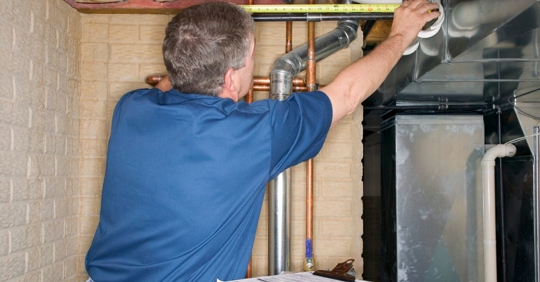
Repiping is one of those home projects that can sound intimidating at first, but it’s often one of the most valuable investments you can make for the long-term health of your plumbing system. At Rick Hartman Plumbing, we’ve helped countless Pittsburgh homeowners navigate the decision to repipe, walking them through the signs to look for, the materials to choose, and what to expect from start to finish. If you’ve been noticing recurring plumbing problems or aging pipes, understanding when and why repiping makes sense can help you make a confident, informed choice.
Understanding When to Repipe
Common Signs It’s Time for Repiping:
Pipes don’t last forever, and knowing when yours are reaching the end of their lifespan can prevent costly damage later on. Some of the most common signs include:
- Frequent or persistent leaks throughout the home
- Discolored water—often yellow, brown, or rust-colored
- Low or inconsistent water pressure
- Visible corrosion on exposed pipes
- An older plumbing system made of outdated materials
If you’ve noticed any combination of these symptoms, your plumbing may be telling you it’s time for a full replacement. Low water pressure or discolored water, for example, can signal corrosion and buildup restricting flow inside your pipes. Even if the system seems to function for now, those issues will only worsen with time. That’s why we always encourage Pittsburgh homeowners to schedule a professional inspection early. A thorough evaluation allows us to identify the root cause and recommend the best path forward before minor issues become major repairs.
Choosing the Right Pipe Material:
The material you select for your repiping project can make a big difference in the durability, efficiency, and cost of your plumbing system. We work with a range of materials, each with its own strengths:
- Copper – Extremely reliable and long-lasting, able to withstand high temperatures
- PEX (cross-linked polyethylene) – Flexible, resistant to scaling and chlorine, ideal for Pittsburgh’s fluctuating temperatures
- PVC (polyvinyl chloride) – Durable and budget-friendly, suitable for cold water lines
Copper remains a trusted choice for its longevity, but modern options like PEX offer outstanding performance at a lower cost. PEX is flexible enough to reduce the number of fittings required, which minimizes leak risks and installation time. PVC, meanwhile, provides an economical solution for non-heated water systems. Every home is different, so we take time to discuss your plumbing layout, budget, and water usage before recommending a material. Our goal is to ensure your new system is efficient, reliable, and built to last.
Understanding the Cost of Repiping
What Affects the Cost:
Repiping is a significant investment, but understanding what goes into the price helps homeowners make well-informed decisions. Costs vary depending on several factors:
- The size of your home and the number of plumbing fixtures
- The type of material chosen for the new pipes
- Labor and accessibility—especially if walls or floors need to be opened
- Regional labor rates and permitting requirements
Larger homes naturally require more materials and labor, while older or more complex plumbing layouts can extend the timeline. Although some homeowners are tempted to choose the lowest quote, the quality of work matters just as much as the price. At Rick Hartman Plumbing, we take pride in providing transparent estimates, explaining each cost component clearly, and delivering expert workmanship that prevents future problems. Our experience means you’ll get reliable results—and no unpleasant surprises once the work begins.
Why Repiping Is Worth the Investment:
While the upfront cost of repiping might seem steep, the long-term benefits often outweigh the expense. New pipes can enhance your home’s value, improve daily water flow, and reduce the need for ongoing maintenance. Instead of paying for frequent patchwork repairs, you’re investing in a lasting solution that restores peace of mind and efficiency.
Repiping can also improve water quality by eliminating corrosion and buildup that accumulate in older pipes. New materials like PEX are designed to minimize scaling and resist chemical damage, providing cleaner, safer water for your household. In the long run, homeowners often see lower utility bills and fewer service calls. Simply put, repiping isn’t just about fixing old pipes—it’s about protecting your home’s comfort, health, and value for decades to come.
Selecting a Trusted Plumber
What to Look For in a Repiping Professional:
Choosing the right plumbing team makes all the difference. A repiping project requires skill, organization, and a commitment to doing things right the first time. We recommend looking for professionals who are licensed, insured, and experienced in whole-home repiping. Positive reviews, detailed estimates, and clear communication are also key indicators of reliability.
At Rick Hartman Plumbing, we’ve built our reputation in Pittsburgh through consistent quality and honest service. We stand by our work with strong warranties, ensuring you’re protected long after the project is complete. Our customers know they can count on us to treat their homes with care and to deliver solutions that meet their needs and budget.
Questions to Ask Before the Project Begins:
Before you commit to a repiping project, take the time to ask your plumber a few important questions:
- How many repiping projects have you completed?
- What materials do you recommend and why?
- How long will the process take, and how will it affect daily routines?
- What warranties do you offer on labor and materials?
- What steps do you take to protect my home during installation?
We welcome these conversations because transparency builds trust. When homeowners understand every stage of the process, they feel more comfortable and confident moving forward. Our team is always happy to walk through details, share timelines, and answer any questions to make the experience as stress-free as possible.
What to Expect During Repiping
Preparing Your Home:
Proper preparation helps the repiping process go smoothly from day one. Before our team arrives, it’s helpful to:
- Clear access to plumbing areas such as under sinks and around utility spaces
- Move or cover fragile items near work areas
- Inform household members about potential water shutoffs
We’ll provide a clear schedule outlining when water will be temporarily unavailable, as well as any steps you can take to minimize inconvenience. Our goal is to complete the work efficiently and with minimal disruption to your daily life.
The Steps of Repiping:
Repiping generally follows a consistent series of steps, though each home has its own needs. First, we conduct a detailed assessment to map your existing plumbing and identify the best approach. Next, we remove the old pipes, taking care to protect walls, floors, and fixtures as we go. Once the old lines are out, we install the new piping system, ensuring everything meets local codes and safety standards.
After installation, we thoroughly test the new system to confirm proper flow and pressure before restoring your water service. Depending on the size of your home, repiping can take anywhere from a few days to about a week. Throughout the process, we maintain open communication so you always know what’s happening and when the job will be complete.
After the Repiping Is Complete
Maintaining Your New Plumbing System:
Once your new plumbing system is in place, a few simple habits can help it last for decades. Regular inspections, either annually or every couple of years, allow us to catch any early signs of wear. Avoid pouring grease, coffee grounds, or large food scraps down drains, as these can create buildup over time. You should also keep an eye on water pressure—sudden drops can sometimes indicate minor issues that are easy to correct if caught early.
Flushing your pipes periodically can also prevent sediment accumulation and help maintain clean water flow. We’re always available to answer maintenance questions or provide quick checkups to ensure your plumbing continues performing as efficiently as the day it was installed.
Monitoring Water Quality After Repiping:
It’s normal for newly repiped homes to experience temporary changes in water taste or odor as the system adjusts. These minor issues typically resolve within a few weeks. Running your taps for several minutes and using a basic water filter can help speed up the process. If any concerns persist, our team can quickly evaluate and address the cause.
Because we’re familiar with local water conditions throughout Pittsburgh, we can provide guidance specific to your area. Our goal is to ensure you enjoy fresh, high-quality water and complete confidence in your new plumbing system.
If You Need Quality Repiping Service, You Need Rick Hartman Plumbing
Repiping your home is a major decision, but it’s one that brings long-term comfort, efficiency, and peace of mind. When you work with Rick Hartman Plumbing, you’re partnering with a local Pittsburgh team that values craftsmanship, transparency, and customer care. We approach every project with the same attention to detail we’d expect in our own homes, ensuring that your plumbing system is strong, efficient, and built to last.
If you’ve been dealing with frequent leaks, discolored water, or low pressure, it might be time to explore repiping. Our experienced team is ready to evaluate your plumbing, answer your questions, and provide an honest recommendation. With expert repiping service and a focus on your home’s long-term health, we’re here to make the process as smooth and rewarding as possible.
Call Rick Hartman Plumbing now at (412) 556-1576 or send us a message online.